Dear Readers,
Ladies and Gentlemen,
Please accept my sincere good wishes on the occasion of India’s Republic Day!
When India’s Constitution came into effect on January 26, 1950, it was a bold manifestation of India’s independent course in domestic and international policy. It has become a strong foundation for India’s sovereign positioning in world affairs for years to come. Today too, India’s pro-peace neutrality and strategic autonomy are important factors contributing to the country’s growing role in the efficient shaping of the emerging global contours.
These factors, neutrality and autonomy, are also some of the strongest drivers in taking the business activity between Russia and India to a new level. Among other such drivers, I would also highlight the digital transformation of governance and business, which both countries have been the champions of in recent years, as well as India’s consistent reformist course, its expanding manufacturing base, and growing inclusion in global supply chains, to name a few.
One of the foundational strengths of Russian-Indian partnership, including cooperation in trade and investment, has been the prevailing government-to-government connection rooted in Indo-Soviet support and friendship. Officials on both sides are determined to maintain the relationship between Moscow and New Delhi as special and privileged and refer to it as one of the steadiest in the world. This cementing connection on the political and governmental level has been giving the necessary continuity and reassurance to important large-scale economic projects that would not have been possible without it, be it in atomic energy cooperation or the oil and gas industry, as well as in defence.
At present it is not just the state-owned majors, but the private businesses and the companies of new technological formation in Russia and India that are actively seeking to reestablish trade and investment links on a qualitatively new level. Russian companies are learning very fast about localisation scenarios, incentives for production and exports, as well the advantages of engaging India’s phenomenal human capital. “Build in India – sell in India, in Russia, and globally” is what Russian and Indian companies started considering.
In 2023, for the first time in history, Russia has become India’s 3rd trade partner by volume of bilateral trade, after the US and China. It is a significant milestone, and diversification of the trade portfolio will be an important task in front of the two countries’ governments and businesses in the coming years. India’s trade deficit with Russia is currently huge and second in volume after its trade deficit with China. Today and in the foreseeable future the two countries will face the challenge of correcting this imbalance.
Looking at the Russian-Indian trade and investment trends at the beginning of 2024, it is clear that during the last year, one can say with confidence, that the two sides have already succeeded in resolving some of the most acute tasks in front of the authorities and businesses of the two countries in the shortest of time. Most importantly, financial and transportation links, as well as insurance mechanisms, are functioning and expanding. With electronic visa mechanisms in place on both sides, visas are being issued smoothly. Short-span visa-free travel for groups is under discussion.
Despite the positive dynamics and strong emotional component, there is a certain lack of knowledge and understanding of developments on both sides, that persists. In India, in particular, second-hand coverage and commentary of news from Russia have been prevailing. The current edition aims to deliver a first-hand account of Russia’s trends and opportunities to readers in India — to highlight and deepen the understanding of Russia's motivation, unique perspectives, and potential among the
Indian audience. The two countries have changed a lot in recent years, and updating the knowledge of each other and getting to know both countries’ newfound strengths, capabilities, and priorities, is an important step on the way to building new personal and business connections. Learning from best practices and taking account of others’ mistakes is crucial for entrepreneurs too.
Let me give a few examples. Did you know that a seamless internet connection in one of India’s most important metros has been built by a Russian company? Indian cinema, which has long been only a niche phenomenon in contemporary Russia, has taken Russia’s cinema halls by storm in just one year, now sharing screen time at par with Russian blockbusters. A joint venture between public sector company Rail Vikas Nigam Limited (RVNL) and Russian train maker, Metrowagonmash is on its course to manufacture and supply around 120 Vande Bharat Express trains to Indian Railways in the coming decades. The stories go on, and the list of other promising areas for business cooperation between Russia and India — from shipbuilding, semiconductors, and chemicals to agri, tourism, and consumer products — is truly endless.
Russia is interested in India’s strengthening role in world affairs and economic growth. The current active recalibration of business connections and the search for new complementarity across the entire spectrum of businesses are bound to manifest in more diversified trade and stronger investment connections. Both India and Russia are viewing their growing trade not just as a factor of their domestic economic stability but as a positive and stabilising force for the global economy at large.
I hope that a series of Russia Digest publications will contribute to the realisation of multiple new opportunities between our two countries, for the benefit of the Indian and Russian people.
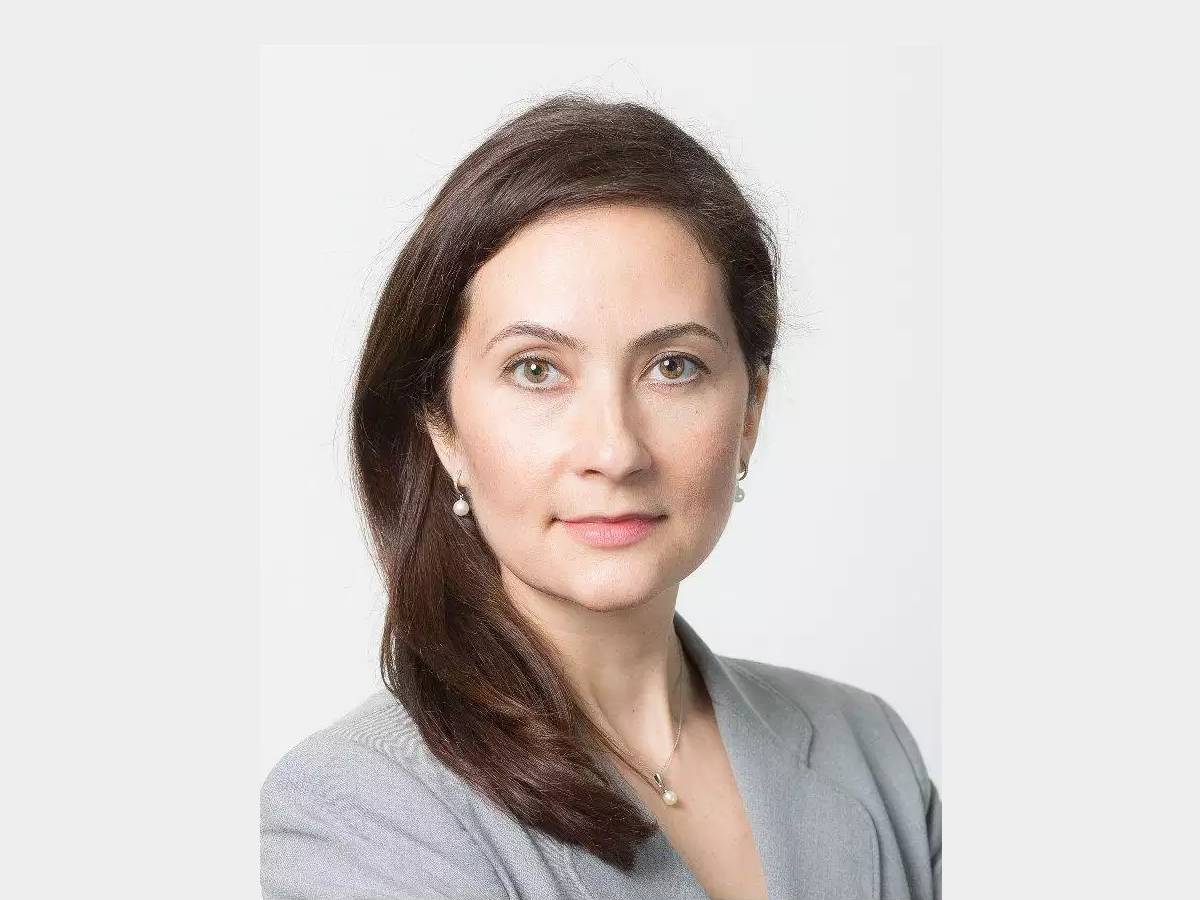
Dr Lydia Kulik, Senior Research Fellow, Institute of Oriental Studies, Russian Academy of Sciences; Head of India Studies SKOLKOVO Institute for Emerging Markets Studies
Speaking at the October 2023 session of the Valdai International Discussion Club, Russian President Vladimir Putin declared the successful overcoming of all challenges arising from Western sanctions. While 2022 marked Russia's adaptation to new conditions, 2023 witnessed a confident recovery. According to forecasts, the growth of the Russian GDP by the end of 2023 may exceed 4%. Despite facing an unprecedented number of imposed restrictions, reaching almost 18,000, Russia has emerged as the largest economy in Europe by GDP at purchasing power parity, surpassing Germany, and the fifth-largest economy globally, maintaining this position for the third consecutive year.
For India, 2023 was hailed as a "year of special achievements" by Prime Minister Narendra Modi. In August, the country became the fourth "lunar power" in history, successfully landing the spacecraft of the Chandrayaan-3 mission on the Moon's surface and achieving the first-ever landing on the South Pole of Earth's satellite. India continues to be the world's fastest-growing major economy, with an expected GDP growth of around 7.3% in the 2023/2024 fiscal year. Speaking from the Red Fort on the occasion of India's 76th Independence Day, Prime Minister Modi promised that the country would become the third-largest economy in the world within five years.
Both Russia and India will hold elections in 2024, with leaders in both countries having significant chances of success. According to the All-Russian Centre for the Study of Public Opinion (VTsIOM), 79.8% of citizens trust Putin. Expert assessments and public opinion polls indicate significant chances of the ruling Bharatiya Janata Party winning the upcoming general elections, paving the way for another term for Narendra Modi, who has been leading the country for a decade.
The past year has been exceptionally successful for Russo-Indian relations. The economic aspect, traditionally considered a weak link in bilateral ties, has significantly strengthened. Russia, for the first time in history, secured the third position among India's trading partners, after China and the United States. The trade turnover reached a record $54.7 billion in the first 10 months, and by the end of 2023, it is expected to surpass $60 billion—a figure that recently seemed unattainable.
Due to Western sanctions on Russian oil and substantial discounts offered to New Delhi, Russia became India's top oil exporter, accounting for 40% of the country's total import volume. The republic aims to expand investments in the Russian oil and gas sector. New prospects are emerging in the nuclear industry, particularly in the construction of small nuclear power plants, as well as in the fields of pharmaceuticals, agriculture, the diamond industry, and fertiliser supplies. Talks on a free trade zone between the Eurasian Economic Union and India are set to begin at the end of January this year. Moscow and New Delhi are also working on an agreement for visa-free tourist trips.
However, bilateral relations still face several challenges. Addressing the trade imbalance, refining the commodity structure of trade turnover, and developing financial infrastructure are essential tasks. Significant efforts are required for the operationalisation of the North-South transport corridor and the launch of the Chennai-Vladivostok maritime corridor.
The final highlight of the rich bilateral dialogue in 2023 was the five-day visit to Russia by Indian Foreign Minister Subrahmanyam Jaishankar in late December. The Indian minister visited both capitals—Moscow and St. Petersburg—held talks with Russian Foreign Minister Sergey Lavrov, participated in a session of the joint intergovernmental commission on trade, economic, scientific-technical, and cultural cooperation alongside Russian Deputy Prime Minister and Minister of Industry and Trade Denis Manturov, and met with Russian Indologists and the Indian diaspora. The Indian Foreign Minister was also received by Vladimir Putin in the Kremlin. Important agreements were reached during this visit, particularly regarding two new blocks of the Kudankulam Nuclear Power Plant.
In 2023, it was not possible to organise a bilateral Russo-Indian summit, but both sides are confident that the summit will finally take place this year. Modi has already received an invitation to visit Russia. The possibility of holding comprehensive negotiations may arise on the sidelines of the BRICS summit scheduled for October in Kazan.
Addressing the Global Technology Summit in New Delhi ahead of his visit to Russia, Subrahmanyam Jaishankar gave exceptionally high praise to the relations with Russia, emphasising that these ties have often "saved" India. Vladimir Putin, in turn, spoke highly of India and its leadership. Speaking at the "Russia Calling!" forum, the Russian head of state referred to Narendra Modi's policies as a guarantee for the progressive development of Russo-Indian relations and admired the Indian Prime Minister's firm stance in defending national interests. "I cannot imagine Modi being scared, intimidated, or compelled to take actions and decisions contrary to the national interests of India and the Indian people," declared the Russian leader.
In recent times, Russia is rediscovering India, with growing interest in Indian culture and language studies. New centers for Indology are emerging, Russian media bureaus are opening in India, and existing ones are expanding. There is an increasing demand in the labor market for specialists with knowledge of Hindi, the Indian economy, law, business fundamentals, and regional analytics. A similar "Discovery of Russia" is expected to occur in India soon, thereby putting the perception of each other as secondary partners firmly in the past.
Leyla Turayanova, Expert, The Institute of World Economy and International Relations (IMEMO), Russia
Exchanges between Moscow and New Delhi have increased across various levels. Russian government agencies and trade chambers have sent delegations to India, and there is a surge in business missions. Russia expects larger Indian exports in various sectors, and India is interested in Russian businesses in infrastructure and energy.
Over the past year, exchanges between Moscow and New Delhi have significantly increased across various levels – from G2G to B2B, corporate, cultural, education, and even spiritual. This has injected new life into the longstanding but somewhat stagnant ties that are crucial to both countries.
In 2023, various agencies of the Russian government, trade chambers, and associates have been actively sending delegations to New Delhi, Mumbai, Bangalore, and other parts of India. They have also hosted numerous Indian delegations in Russia. Officials note an unprecedented surge in the number of business and regional missions exploring new opportunities. Russia is optimistic about larger Indian exports in sectors like engineering, machinery, automobiles, pharma, textiles, and food, while India is witnessing great interest from Russian businesses in infrastructure, energy sectors, IT, and financial markets.
Russia-India trade turnover has crossed the $50 billion mark for the first time, compared to an average of $10-13 billion recorded in the past five years before the dynamics changed in 2022. Energy plays a key role in this surge, with India's primary crude source now overtaking Iraq and Saudi Arabia. Since April 2022, India's Russian oil imports have soared over 10-fold.
However, both countries are looking to make bilateral trade more diversified and sustainable.
Russia and India are time-tested partners, but new realities are testing the existing bond. The economic aspect of bilateral ties, even after a fivefold increase, is relatively small, considering India’s aspirations in defense, energy, and other sectors.
Take the Arctic, for example. The region holds the world's largest remaining untapped gas reserves and some of its largest undeveloped oil reserves. India's increasing interest in the Arctic region reflects a strategic response aligned with its evolving geopolitical and economic priorities, and Russia, as India’s strategic partner, is ready to share insights for operating in the Arctic.
The two countries possess enormous talent and domestically developed technologies but have often relied on the West to produce the end product. The “Atmanirbhar” drive, which is now evident in both countries at many levels, from policy-making to consumer behavior trends, could strengthen the “friendly bond,” of which we are so often reminded by high-profile dignitaries representing the two nations.
The problem is that the new generation of Indian diplomats, bureaucrats, businessmen, and even journalists lack the same “soft spot” for “Russian story books” as previous generations. As the new “point of affection” was never created, there is nothing “sentimental” about Russia-India relations for those professionals who actually drive the strategic policy-making, be it at government or corporate level.
That is the reason why awareness becomes the key factor shaping up Russia-India relations in the coming years. Seven decades of intense and open-hearted friendship have shaped the ties in such a way that "old memories" have dominated the "present realities," much like in a lasting marriage.
To ensure a vibrant union at 75, there needs to be some spice – or, more radically, a “new blood.” This could involve exploring new trade segments, fostering larger interactions between new generations – from school kids to students to mid-age entrepreneurs. The latter, on both sides, are more likely to be influenced by stereotypes or distant knowledge acquired from their parents about the Indo-Soviet relationship. Sad, but true - the generation of entrepreneurs leading the most valuable companies in Russia and India have very limited understanding of these two countries – most often shaped by the Western media.
For Russian business leaders, until very recently, India remained a land of tea, textiles and generic medicines, while Indian businesses often do not consider Russia to be an interesting market beyond weaponry, crude and fertilizers. In the past two years, an image of Russia as a “war-torn country” has been added to this picture, many in the Indian corporate sector told me privately. None of them have traveled to Russia lately.
But those who have, were genuinely surprised.
Moscow authorities noted in November last year that despite consistent tightening of sanctions from unfriendly countries, Moscow's economy, like that of the whole country, has adapted to “new realities” and returned to sustainable economic development. Positive dynamics in Moscow's budget revenues are noted in almost all sectors of the economy, including almost 19% growth in manufacturing, over 12% in transportation, almost 26% in construction, and over 20% in the IT sector. The vibrancy is palpable in Moscow cafes and malls. In 2023 alone, Moscow added 14 new underground metro stations and a new rapid train system line consisting of 74 stations.
The vibe may not be felt across the entire country, given its size, complex climate, geographical intricacies, and the ongoing military conflict. However, the Far East regions are witnessing unprecedented development of infrastructure, allowing them to export more minerals to Asian markets. New hotels and resorts are emerging around Lake Baikal. After being “isolated” from (or rather by) the West, Russia is rediscovering its richness and untapped potential. India could be a part of that discovery, tapping markets previously dominated by Western companies – from commercial development to automotive, consumer retail, and consulting.
Awareness about India’s growth among Russians has increased tremendously in the past two years, thanks to the media attention India is finally receiving in Russia. An average Russian news consumer now knows about India's strive to become the world’s third-largest economy, its space programs, startup ecosystem, and indigenously developed defense systems. Russians are slowly disassociating themselves from the past reality of the “Indian elephant on a tea box.”
Notably, the only attention Russia receives in Indian media is related to the Ukraine conflict, with most reporting on Russia reproduced by Indian media from Western global news agencies. It is time that this aspect of bilateral relationship, too, witnesses the power of “Atmanirbhar.”
By Ksenia Kondratieva, Editor, RT India
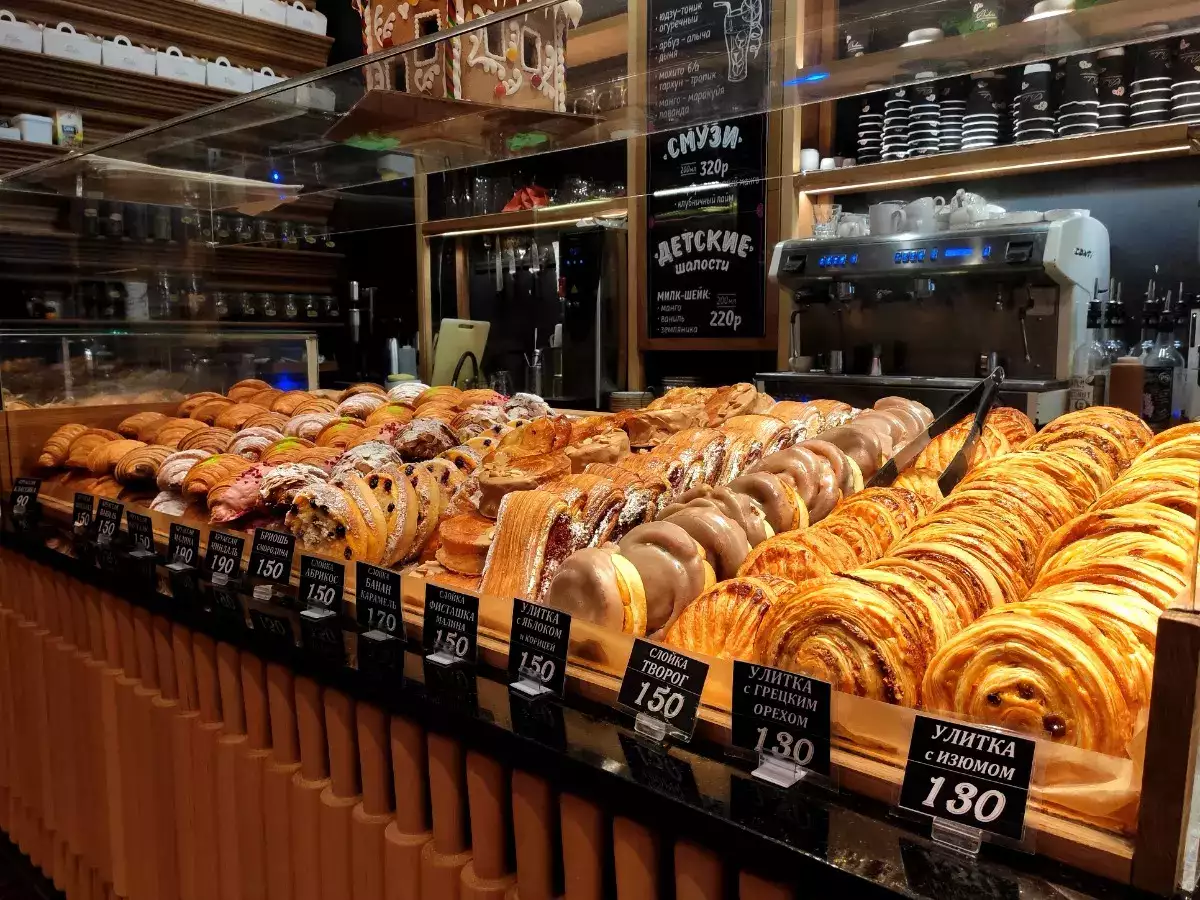
In the bustling landscape of Russian public catering, amidst the backdrop of sanctions and the rise of local producers, the arena is rife with fierce competition. Yet, in this cauldron of culinary ambition, success knows no bounds for those with the audacity to seize it.
Join us as we unravel these captivating stories, each a testament to the power of perseverance and the triumph of the human will. Through their stories, we are reminded that amidst the challenges of the present, the promise of a brighter future in Russia awaits those bold enough to seize it.
Opened by a family from Omsk, the cafe has been a hotspot for all coffee lovers in the city. The cafe offers visitors a unique interior, following the Japandi style. The owners Sergey Rubin and Sofia Rasner wanted to provide their patrons with a simple open safe to unwind in the Russian weather. Drawing inspiration from the elegant fusion of Japanese and Scandinavian aesthetics, the design seamlessly incorporates authentic touches indigenous to the Russian locale.
Initially, the founders decided to focus on their location and ambience instead of looking into the marketing of the cafe. Located in the centre of the city, the cafe saw a good amount of footfall from day one. On the very first day, they had more than 200 visitors, and this number only doubled the following day, exceeding their expectations.
The quality of their coffee, the soothing ambience of their cafe, and the customer service created enough marketing for them through word of mouth. People started sharing pictures from the cafe online, prompting more and more people to visit the cafe.
Rapid growth and impressive profits allowed the couple to open five coffee shops in Moscow within a year, and later – their training centre and workshop.
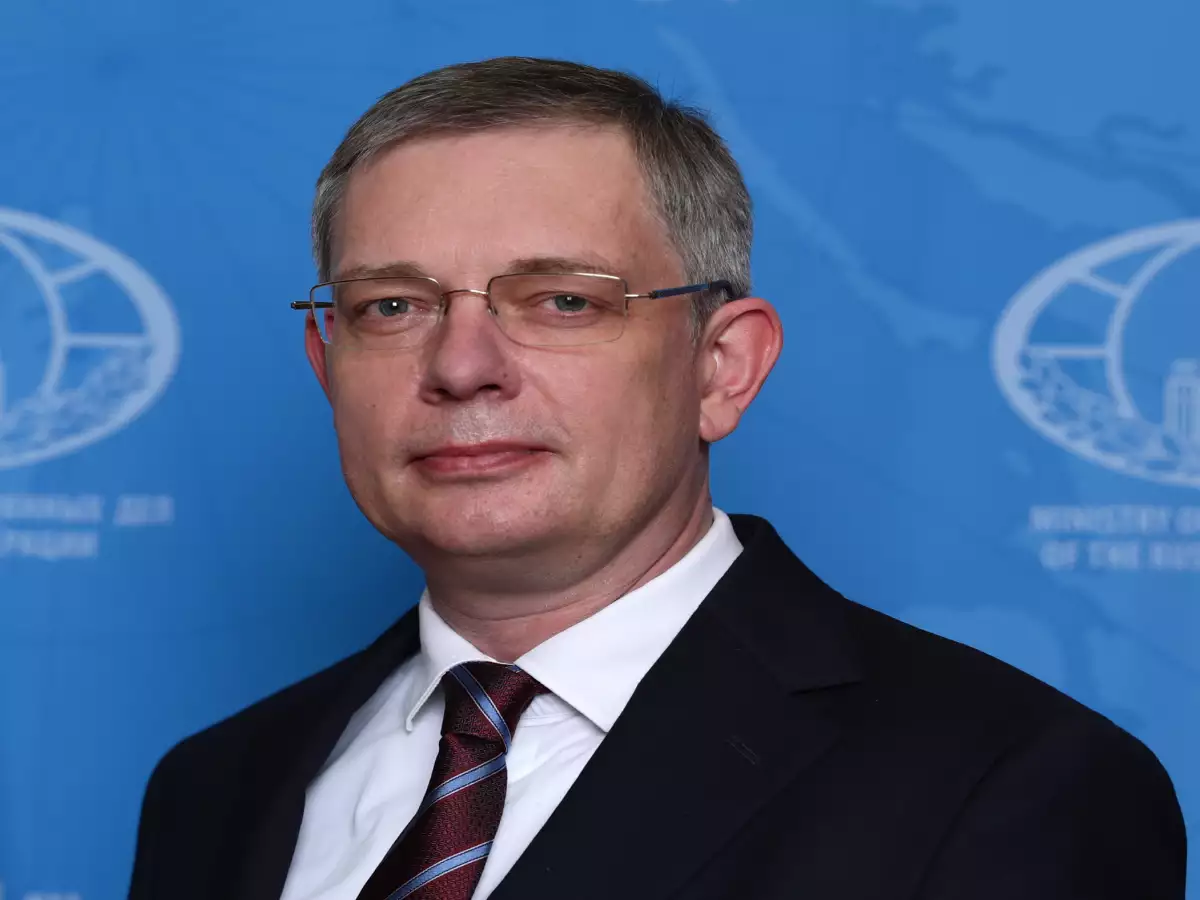
Ambassador Denis Alipov's welcoming remarks celebrate the strong Russia-India partnership, highlighting their shared values, expanding cooperation across various sectors, and expressing hope for the success of the newly established Russian Perspectives – Russia Digest journal.
Dear Readers,
Hereby I wholeheartedly congratulate the people of friendly India on the solemn occasion of the Republic Day and welcome you to the first edition of the Russian Perspectives – Russia Digest journal in 2024 by The Times Group!
Impressive achievements of modern India as the fastest growing innovative economy and a well-reputed global player solidly rest on the civilizational wisdom and mature democratic institutions as well as human-centric Indian philosophy that are so harmoniously epitomized in the Constitution.
The values of sovereignty and national interests have become a notable brand of India’s independent foreign policy. India’s increasing influence in the world affairs combined with the consistent and responsible approach to vital issues of peace and security and equitable and sustainable development based on the central role of the UN and the principles of the UN Charter are making a defining contribution to the promotion of an inclusive international dialogue.
Russia as a true and historic well-wisher of the people of India cherishes the trusted, comprehensive and ever-expanding bilateral cooperation that enjoys the level of special and privileged strategic partnership. Our like-minded positions on pressing global challenges make it a rock-solid integral part of a stable, just and equal world order. Our common approach to the reform of global governance is the case in point in our close coordination in major multilateral institutions, including the G20, BRICS, the SCO and other fora, where we together with other partners stand united to ensure a rising profile of developing countries and respect of their interests. Through the advancement of our shared goals we strive to create a favorable environment for mutually beneficial cooperation and well-being of the people of our proud nations.
Against this background, the unstoppable growth trajectory of our multifaceted ties is an undeniable factor for our nations to progress. Our dialogue is well structured, elaborately institutionalized and extensively diverse but, most importantly, it is cemented by the credit of traditional national consensus and mutual goodwill. Ours is the partnership genuinely immune from negative external influence.
Our joint and unparalleled endeavours in trade and investments, hydrocarbon energy and nuclear power, security and space, science and high-tech, digitalization and innovations, infrastructure and smart-cities, education, culture and vibrant people-to-people interaction make us natural and leading partners in the above and other areas. Russia contributes to India’s energy security and its defence capabilities, together we make dedicated efforts to a greater connectivity in the Eurasian space.
We are committed to take our partnership forward through bilateral and multilateral endeavours such as an early conclusion of the FTA between the Eurasian Economic Union and India, efficient promotion of the North-South Transport Corridor and relaunching of the Vladivostok – Chennai Eastern Maritime Corridor, strengthening of the independent inter-banking networks, synchronization of customs regimes, multiplication of joint ventures, expansion of tourism and educational linkages.
2024 will be rich of many prominent events designed to deepen the dialogue between Russia and India in various bilateral and multilateral formats, including during Russia’s presidency in BRICS, for the best of interests of our two friendly nations. I do hope that the newly established journal will become a reliable source of information and motivation for everyone who wants to be a party to our never-ending success story.
On the occasion of the Republic Day, I wish the Indian people the best of health, well-being and prosperity! Jai Hind, Jai Rus!
By Denis Alipov, Russian Ambassador to the Republic of India
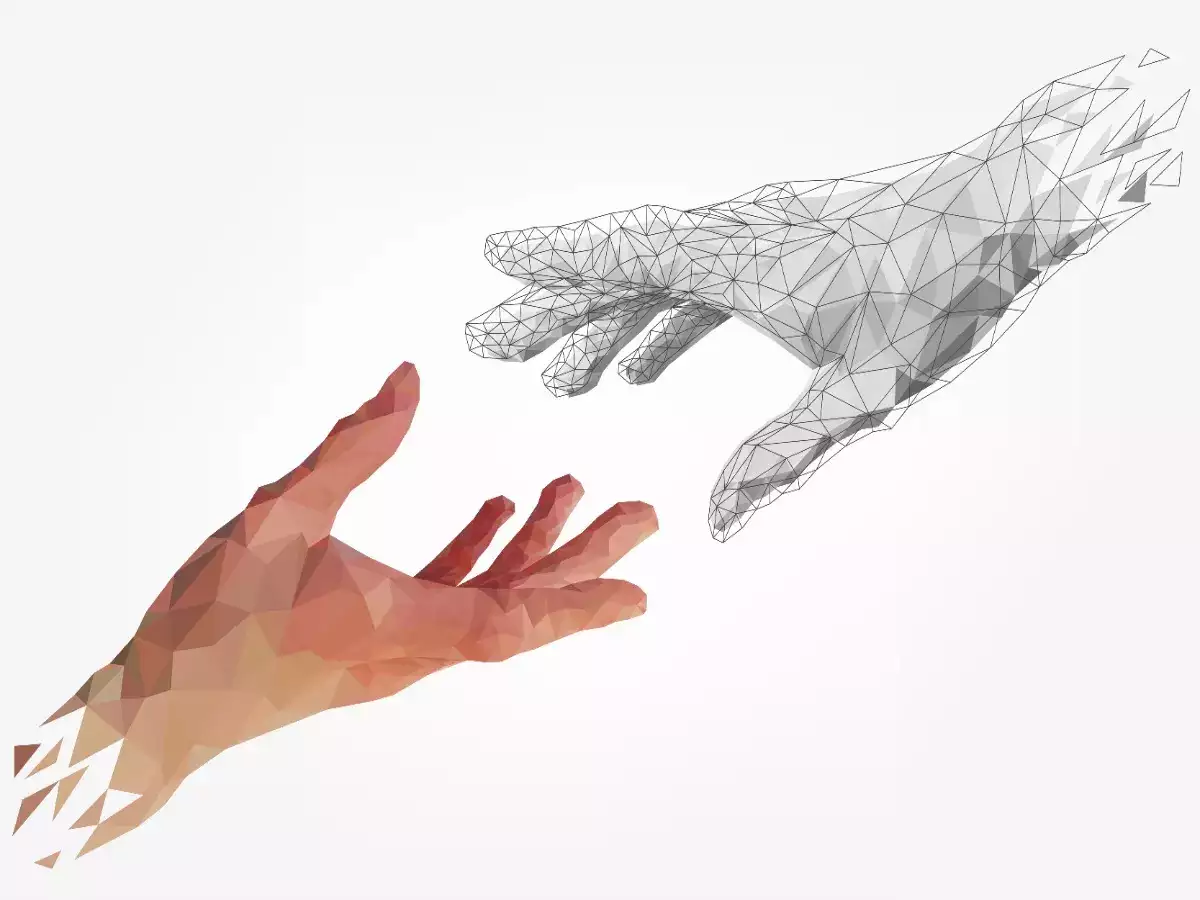
India and Russia, key players in AI and technology, collaborate on IoT, e-commerce, and information security. The countries prioritize IoT in energy, transport, and manufacturing, embrace AI in e-commerce, and focus on information security for digital sovereignty.
In an era defined by rapid technological advancement, artificial intelligence emerges as the cornerstone of modern innovation. From generative AI to smart assistants and machine learning, its pervasive influence shapes the very fabric of our contemporary world. Against this backdrop, India and Russia, both at the forefront of embracing cutting-edge technologies, emerge as formidable players in the global market for technological solutions. Their proactive approach to implementation positions them as key drivers of progress in science and technology, particularly in the realm of AI and its associated fields. This fertile ground sets the stage for robust partnerships, poised to propel both nations towards unprecedented heights in S&T development.
What spheres of implementing AI technologies in both India and Russia can the expert community assess more precisely to enhance the cooperation between the two countries? The author decided to ask this question to AI itself and used a semantic analysis method based on the iFORA big data analytics system developed by leading Russian HSE University (copyright – HSE ISSEK). The analysis was based on data from Russian and Indian media sources for the last 5 years, a total of more than 300 thousand text documents were analysed. So, what AI-related spheres do the countries highlight most in their media?
The answer to the question is provided in the form of a graph where frequency (an indicator showing how many times a term was mentioned in the analysed text documents within a defined time period) of AI-related spheres is presented.
The vertical axis shows the popularity of technological fields in India (based on their frequency in the Indian English-language media), and the horizontal axis - the popularity of technological fields in Russia (frequency in the Russian-language media). Circle icons represent different technologies; ones that are placed closer to the upper part of the diagonal line are frequently mentioned both in Indian and Russian agendas. The size of circle icons represents the aggregated frequency of these technologies in both Russian and Indian media (the more a term was mentioned in both agendas, the bigger a circle icon is).
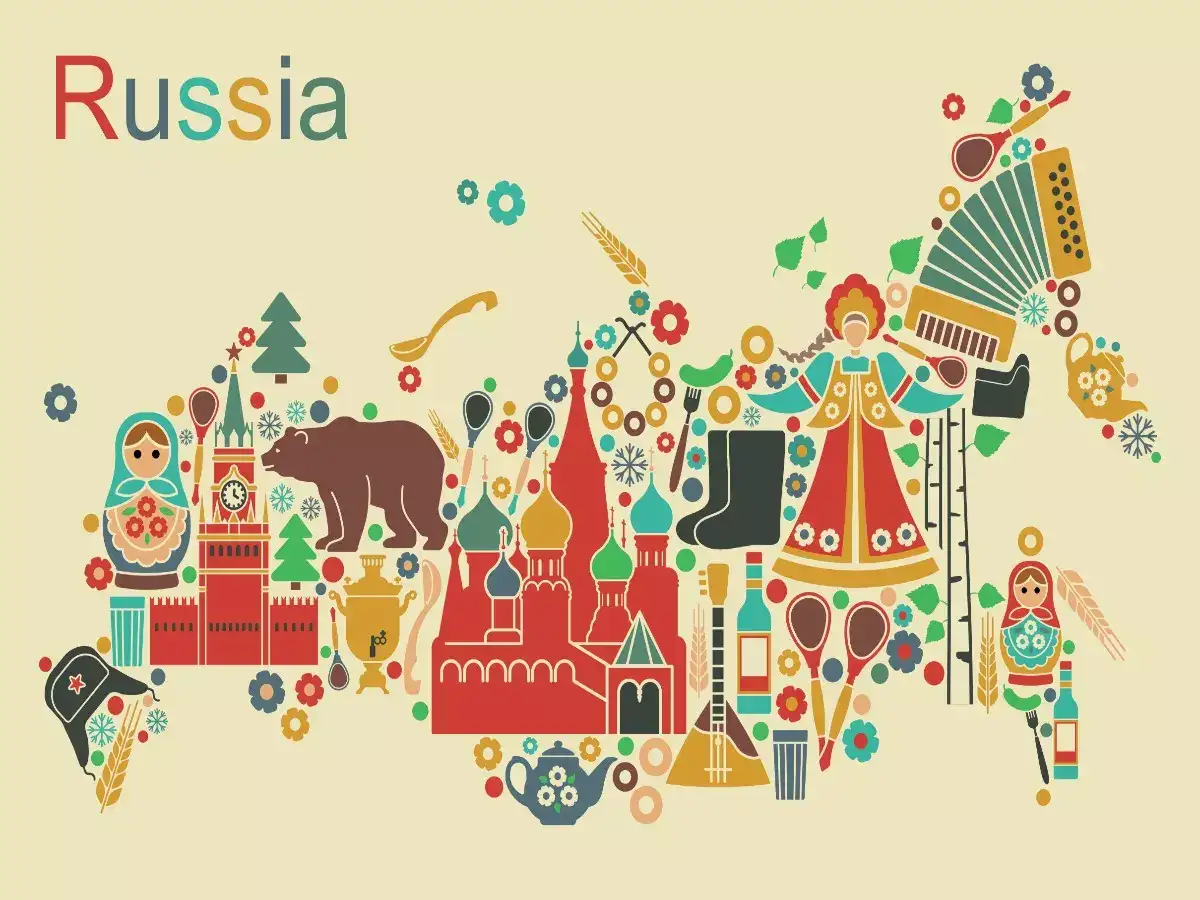
For centuries, Russian craftsmanship has captivated hearts around the world with its timeless elegance and exquisite quality. From delicate porcelain to sumptuous chocolates, these treasures from Russian companies continue to enchant and delight discerning connoisseurs, transcending borders and generations.
Imperial Porcelain Factory: Renowned for its opulent sets, the Imperial Porcelain Factory traces its origins back to 1744. Established during the era of Tsarist Russia, it embodies a legacy of unparalleled artistry and craftsmanship, cherished by collectors worldwide. The factory's founder, Dmitry Vinogradov, was a visionary chemist who revolutionized porcelain production, creating compositions, glazes, and paints that adorned the tables of Russian royalty. Over the years, the factory has evolved, but its commitment to excellence remains unwavering, evident in the intricate designs and impeccable quality of its creations.
Pavlovsky Posad Kerchief Manufacture: The vibrant hues and intricate floral designs of Pavlovsky Posad shawls evoke a sense of tradition and luxury. Rooted in a heritage dating back to 1795, these iconic kerchiefs are not just fashion statements but also cherished symbols of Russian culture. Each shawl tells a story, with motifs inspired by nature, folklore, and centuries-old traditions. From the black, burgundy, and unbleached linen classics to the expanded palette of modern designs, Pavlovsky Posad kerchiefs continue to captivate with their timeless beauty and craftsmanship.
Babayevsky Confectioners: Sweet memories are woven into the fabric of Russian childhoods through Babayevsky chocolates. With origins dating back to 1804, this storied confectionery delights young and old alike with its whimsical treats and timeless flavours. From the iconic "Mishka kosolapy" ("Clumsy bear") to the nostalgic "Belochka" ("Squirrel"), Babayevsky chocolates evoke a sense of joy and indulgence that transcends generations. With each bite, one is transported to a world of sweetness and nostalgia, where every confection tells a tale of tradition and craftsmanship.
Red October: From the imperial courts to modern-day indulgence, Red October chocolates have remained a symbol of decadence and delight. Founded in 1851 and rechristened after the October Revolution, this iconic chocolate factory continues to weave magic with every bite. Its trademark candies, including ’Alyonka,’ ‘Krasnaya shapochka’ (Red Riding Hood), and ‘Rakovye sheyki’ (Crayfish tails), are beloved by generations of Russians and esteemed guests alike. With each confection crafted to perfection, Red October chocolates are a testament to the enduring legacy of Russian confectionery craftsmanship.
Imperial Tula Arms Factory: With a history dating back to 1712, the Imperial Tula Arms Factory stands as a testament to Russian ingenuity and craftsmanship in the realm of weaponry. From rifles to anti-tank guided missiles, it blends tradition with innovation to produce arms of unparalleled quality. Beyond its military prowess, the factory also produces unique pieces of art, with facets cut into metal that showcase the skill and precision of its craftsmen.
Through the centuries, these Russian companies have crafted treasures that transcend time and geography, enchanting generations with their beauty and craftsmanship.
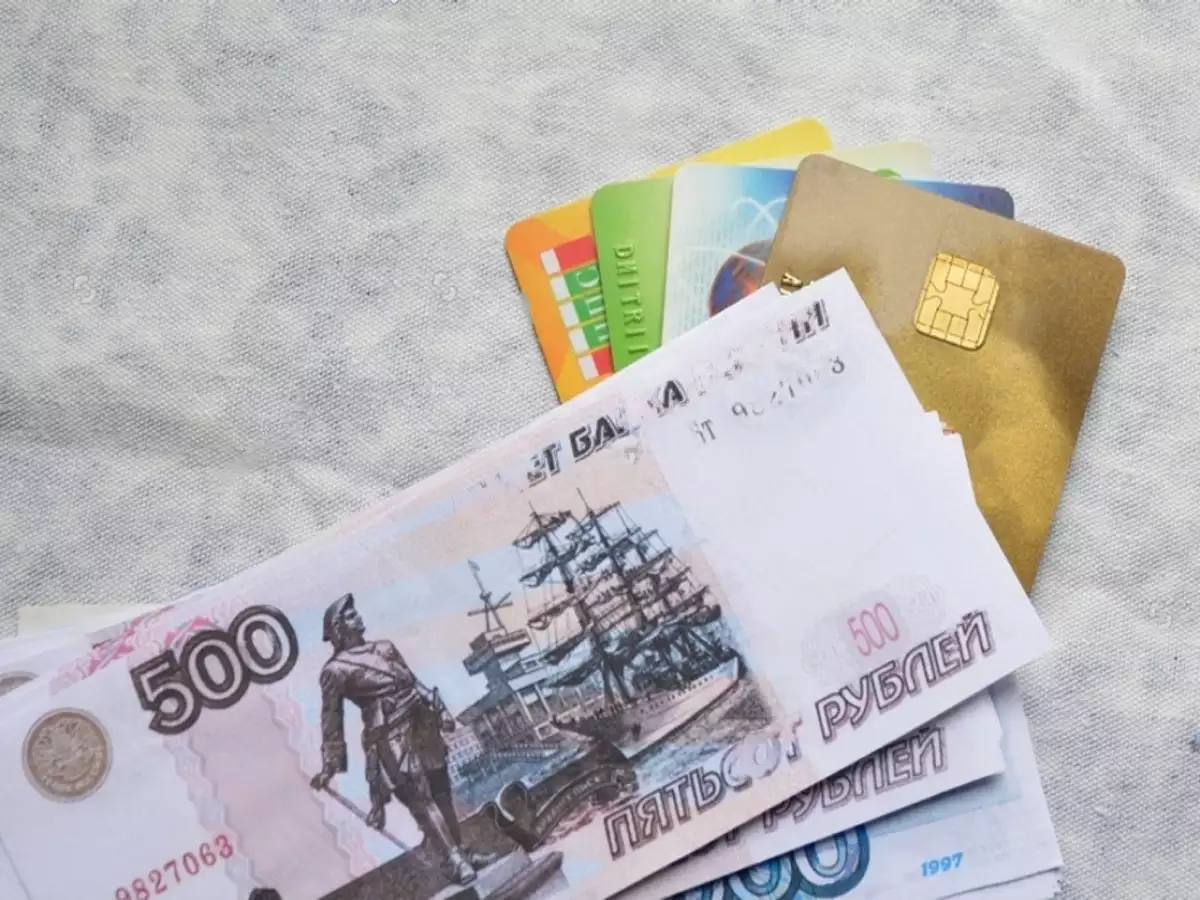
Since mid-2022, the landscape of financial transactions in Russia has undergone significant upheaval as major international financial institutions, including Visa, MasterCard, and American Express, suspended their operations in the country. As a result, the use of these cards for payments or cash withdrawals became untenable, compelling both tourists and businesspeople to explore alternative methods of payment and currency importation.
Currency Import: Travelers to Russia are permitted to bring various currencies into the country, with amounts up to $10,000 exempt from declaration requirements. However, any sums exceeding this threshold must be declared, and amounts surpassing $100,000 necessitate an explanation of the funds' origin. Failure to comply with these regulations can result in severe penalties, including confiscation of funds and potential criminal repercussions. It's important to note that these regulations apply equally to both air and land borders, underscoring the importance of adherence to customs procedures.
Opening a Bank Account: For those seeking to conduct financial transactions within Russia, the option of opening a bank account presents itself as a viable alternative. Foreigners are permitted to open accounts in Russian banks, typically transacting in major currencies such as dollars or euros. However, the process requires specific documentation, including a passport, notarized translation, and visa or migration card. Notably, since July 2023, citizens of certain countries have been able to submit these documents remotely, streamlining the account opening process.
Financial Services: In lieu of traditional banking methods, various financial services have emerged to facilitate money transfers to Russia. Platforms like Koronapay and Unistream offer convenient options for transferring funds, albeit with limitations on sending countries and associated transfer fees. Similarly, YooMoney provides a unique solution by issuing free MIR debit cards to foreign tourists, enabling currency exchange and deposits at select locations such as Sheremetyevo airport and designated offices. This streamlined approach simplifies the process for travelers, allowing for hassle-free financial transactions while in Russia.
These alternative methods of payment and currency importation serve as vital lifelines for individuals navigating the complexities of financial transactions in the absence of major international card networks. By understanding and utilizing these options effectively, travelers and business people alike can navigate the evolving financial landscape of Russia with confidence and ease.
(Source: Russia Beyond)
Lorem ipsum dolor sit amet consectetur adipisicing elit. Similique voluptatem provident eos ipsa explicabo laudantium earum, officiis, modi tempora numquam iure, expedita pariatur ratione autem dicta architecto. Tempora incidunt ullam reprehenderit praesentium, nulla in minima ex soluta, dicta aperiam magni eveniet ipsam autem adipisci, accusamus consequatur aliquid perspiciatis beatae molestias consequuntur vel iusto! Iste deleniti error sequi cupiditate optio non dignissimos doloremque est, commodi velit similique veritatis maxime ratione ullam quas perspiciatis nemo consequuntur repudiandae a adipisci porro atque corporis! Nisi architecto impedit aliquam quasi deserunt assumenda praesentium eligendi ipsam nostrum. Quisquam, delectus perferendis id minima earum ipsam doloremque, veniam dignissimos saepe repudiandae voluptate ut corrupti voluptas illo quidem. Tempore esse enim a doloremque voluptatum incidunt. Quos eius molestias aliquid! Architecto ratione iste velit repellendus eum cupiditate optio pariatur earum tempora officiis quaerat assumenda dignissimos sapiente, aliquam alias ipsa voluptatem vero modi, consequatur quasi ullam esse? Exercitationem laudantium recusandae quisquam?
In the dynamic realm of global pharmaceuticals, Russia emerges as a land of promise for Indian businesses seeking new avenues for growth. Over the past two years, the Russian pharmaceutical market has undergone significant transformations, creating a favourable environment for foreign enterprises. With the exit of European and American pharmaceutical giants amidst the COVID-19 pandemic and sanctions, Indian companies find themselves at the cusp of unprecedented opportunities in Russia.
According to insights from the DSM Group, the Russian pharmaceutical market demonstrated resilience and growth in 2023, surpassing RUB 2.6 trillion in monetary volume. Despite the challenges posed by the pandemic, commercial pharmacies witnessed a notable uptick in sales, while the share of Russian medicines in the market continued to rise steadily. This trend underscores the increasing significance of domestically produced drugs in meeting the healthcare needs of the Russian population.
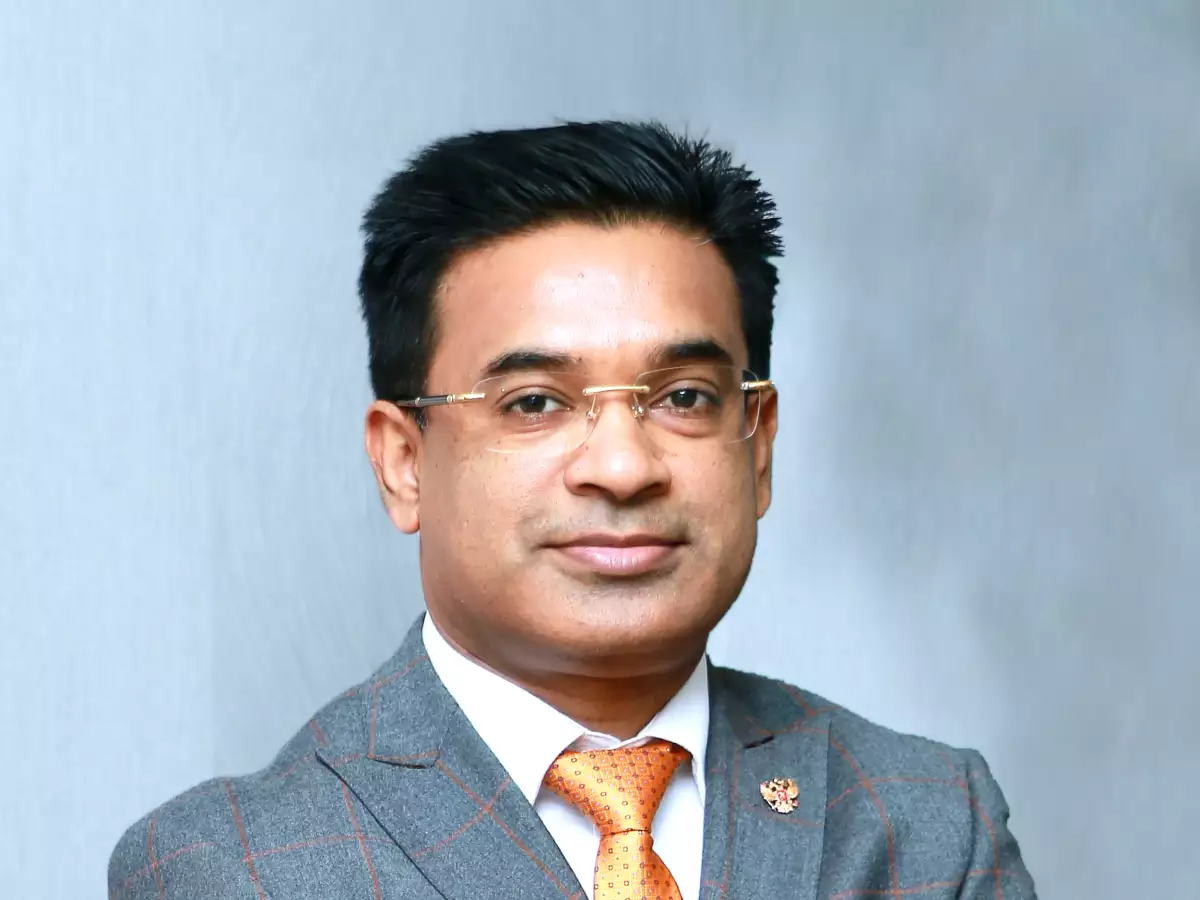
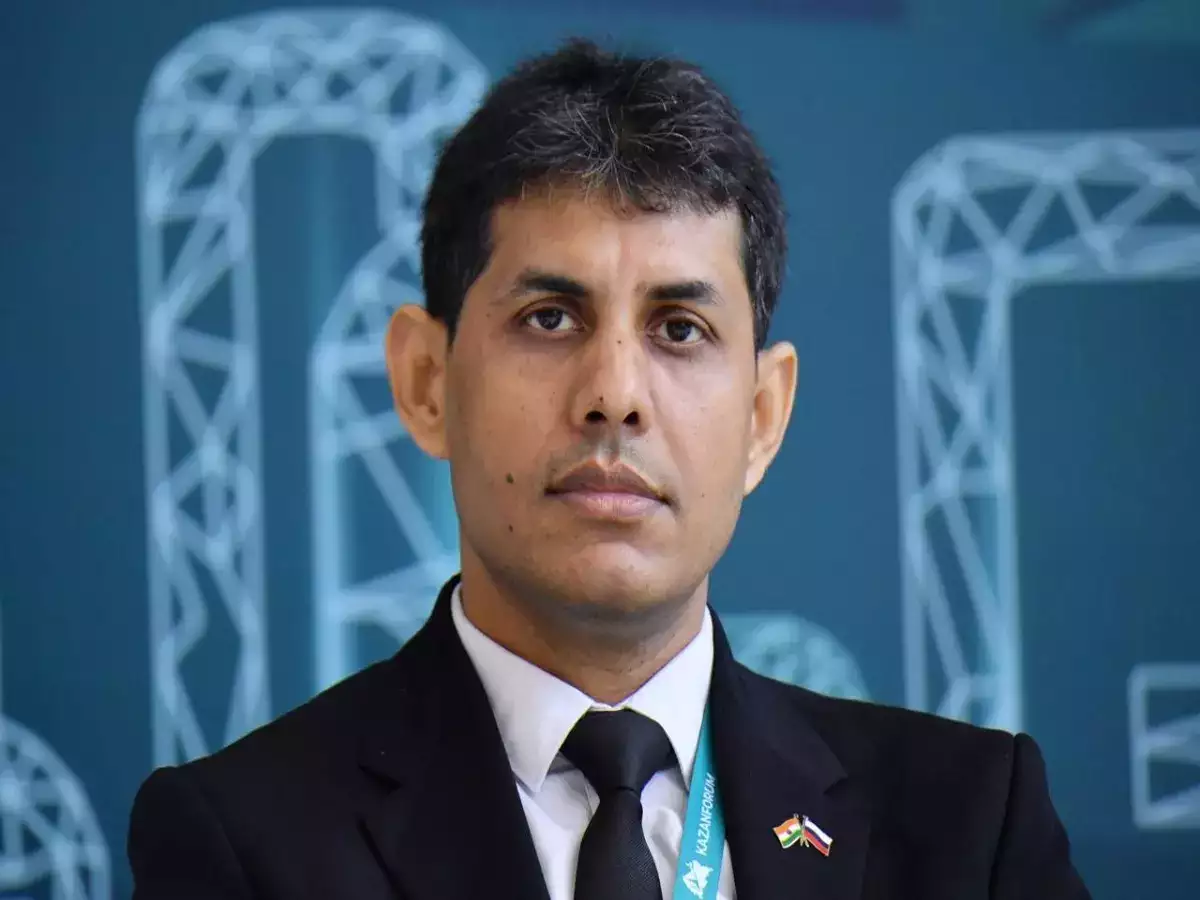
Against this backdrop, individuals like Divesh Kumar stand out as beacons of guidance for Indian businesses venturing into the Russian market. With a wealth of experience spanning over 18 years and accolades from prestigious institutions like Harvard, Kumar serves as a bridge between Russia and India, navigating the complexities of regulations and cultural nuances with finesse.
From Bihar to Moscow, his journey has been characterised by dedication and innovation. this has culminated in his pivotal role as the honorary representative of Pharmexcil in Russia. His decision to relocate to Moscow and subsequently establish Anicare Bio Science and SafePharm in Murmansk underscores his commitment to facilitating Indian pharmaceutical ventures in Russia. These companies specialise in providing crucial services such as marketing support, and regulatory compliance, and now, with SafePharm, expanding into local production with strategic partnerships.
Kumar's entrepreneurial venture in Murmansk, particularly in partnership with Far East Development Corporation and VEB.ru bank, highlights his strategic approach to leverage local grants, tenders, and favourable financing conditions. His journey underscores the power of expertise, innovation, and adaptability in achieving success in international markets, especially in the pharmaceutical sector.
However, amidst the allure of untapped potential, an array of challenges looms large, threatening to impede the progress of aspiring entrants. Chief among these challenges is the regulatory landscape enforced by the Russian government. From stringent certification requirements to complex product registration processes, navigating the bureaucratic maze is daunting and prohibitively expensive for newcomers.
The indispensable GMP (Good Manufacturing Practice) certificate stands at the forefront of regulatory hurdles, a prerequisite for establishing pharmaceutical production facilities in Russia. This certification, while essential for ensuring product quality and compliance, commands a hefty price tag, posing a significant barrier to entry for fledgling enterprises.
Compounding the regulatory complexity is the mandate for all procedures and certifications to be conducted within Russian borders. This necessitates substantial investment in local infrastructure and resources, further amplifying the financial burden on prospective entrants.
Language barriers further complicate the process, as the Russian business landscape predominantly operates in the native language. For Indian companies unfamiliar with the intricacies of the Russian tongue, communication hurdles can prove insurmountable, hindering effective engagement with regulatory authorities and local stakeholders.
Despite these challenges, success stories abound, with Dr Reddy's emerging as a shining example of Indian prowess in the Russian pharmaceutical landscape. Their journey underscores the resilience and adaptability required to thrive in a market characterised by regulatory intricacies and cultural diversity.
As Russian pharmaceutical production assumes a position of priority within the national agenda, Indian businesses stand poised to contribute to the country's healthcare ecosystem. With strategic partnerships, a commitment to excellence, and a willingness to navigate challenges with ingenuity, they can not only seize the opportunities presented by the Russian market but also contribute to the advancement of healthcare on a global scale.